
Impact
Ukrainian psychology students trained in the Netherlands for a growing need back home
For four and a half years, millions of people in Ukraine have been living with war and uncertainty. The need for psychological support continues to grow, while the people providing that support are facing the same reality themselves.
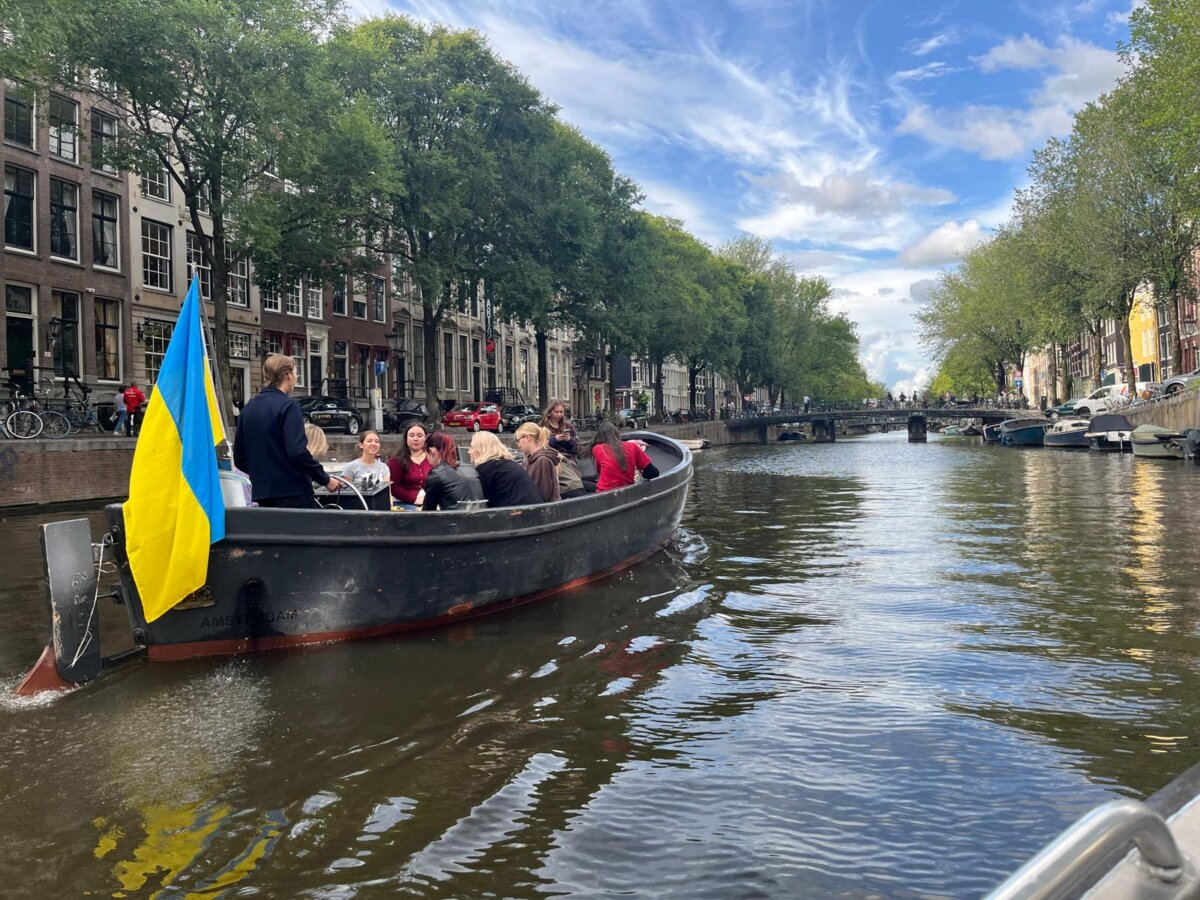
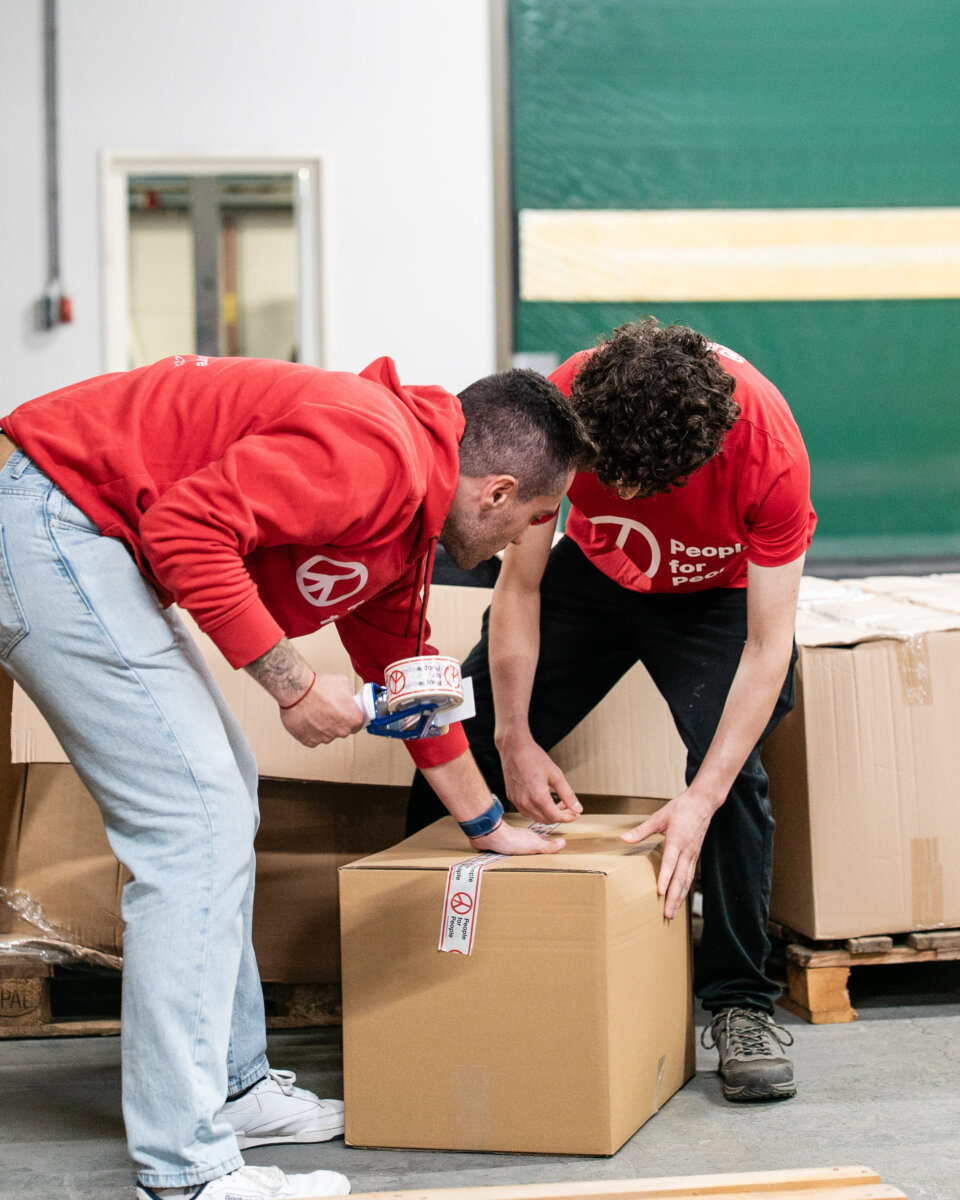
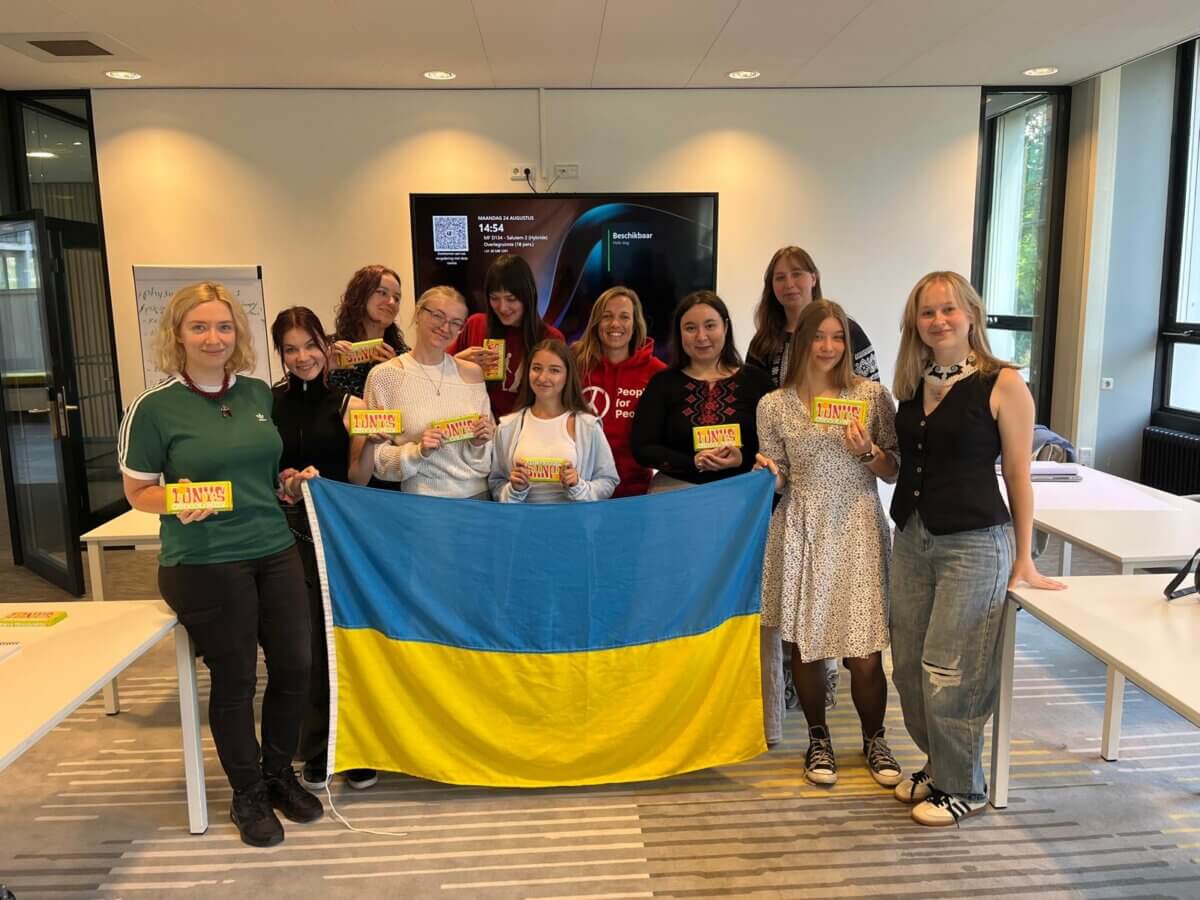
This summer, ten Ukrainian psychology and mental health students came to the Netherlands for the Annual Summer School Programme for Psychology and Mental Health Students from Ukraine, organised by Dr. Kilian Wawoe at Vrije Universiteit Amsterdam. People for People contributed to the programme, helping create the opportunity for these students to continue their education and professional development.
We met the students during their time in the Netherlands to hear what they were learning, what they hope to bring back to Ukraine, and what they see as the future of psychological care in their country.
From theory to practice
One of the things the students valued most was the opportunity to practise what they usually only learn about in theory.
“Usually, we don’t get to practise the methods. Here, we get demonstration sessions with experts and the opportunity to try things ourselves.”
They explored approaches including trauma-focused therapy, stress management and alternative forms of psychotherapy. They also visited mental-health services in the Netherlands and saw how care is organised in practice.
For one student, visiting a forensic clinic made a particular impression.
“The specialists really cared about what they do. It made me emotional because I want the same system in Ukraine.”
The students see a need for more professional regulation, funding and supervision in Ukraine. Young psychologists can struggle to find places where they can gain practical experience under the guidance of experienced professionals.
“If we had places where young psychologists could practise under supervision, we would have more qualified people in our country.”
New ideas to take home
The students are already thinking about how they can use what they have learned in Ukraine.
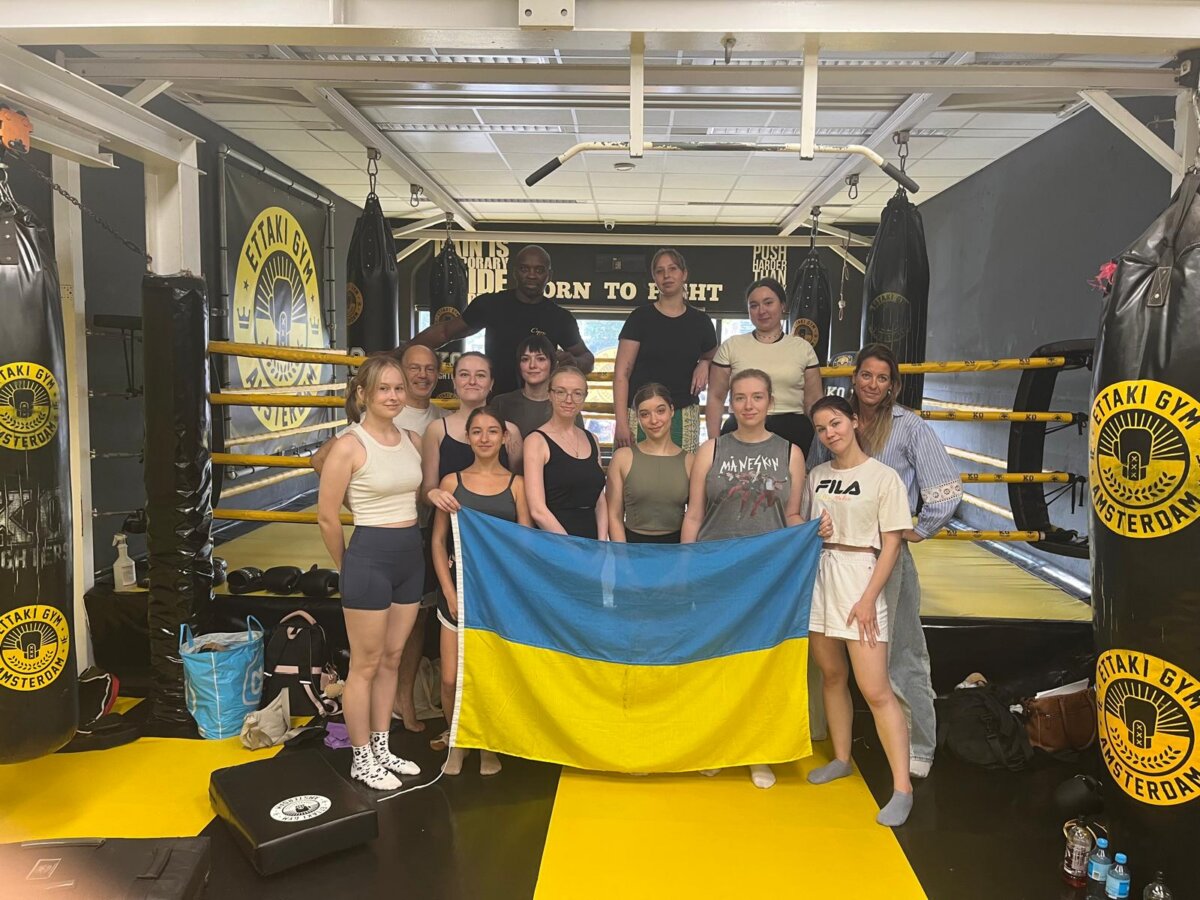
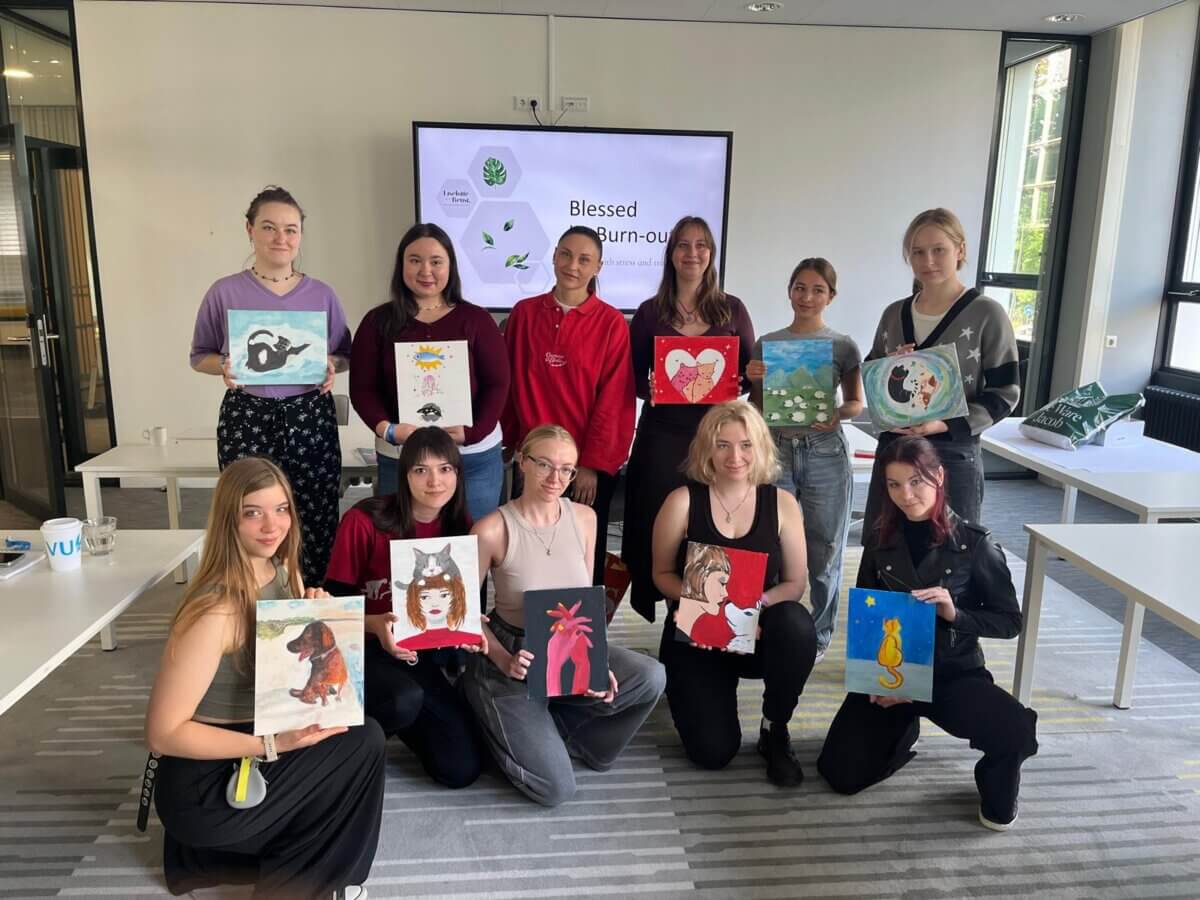
They were particularly interested in alternative approaches such as boxing therapy and creative therapies. These can offer additional ways of working with people experiencing complex trauma, while giving psychologists more tools to work with different needs.
“I really believe alternative forms of therapy can help people with complex trauma to regain autonomy and inner power. We should try every therapy that might help.”
They also see opportunities to build on approaches that are already familiar in Ukraine. Art therapy is already being used, while music therapy could connect naturally with Ukrainian culture, where music and singing remain an important part of everyday life, even during the war.
The students hope to continue exploring which approaches are most effective for veterans, grief and other consequences of the war. The knowledge gained through that work could ultimately be useful far beyond Ukraine.
“We have so many new ideas to bring to Ukraine.”
Learning to care for themselves too
Perhaps unexpectedly, the summer school was not only about learning how to help others. For the students, it also created space to step away from the constant pressure of war.
One student arrived expecting to gain knowledge, but found the experience offered something more.
“I thought I would just gain some knowledge. But the summer school was so healing. We learned how we can help ourselves too. It was a retreat.”
Time to sleep, make new memories and simply be away from the stress of war mattered too.
“We are helping people, but we need help ourselves too.”
That may be one of the most important lessons of the programme. Supporting Ukraine’s mental-health system is not only about reaching people who need psychological care today. It is also about creating opportunities for the psychologists who will provide that care in the years to come.
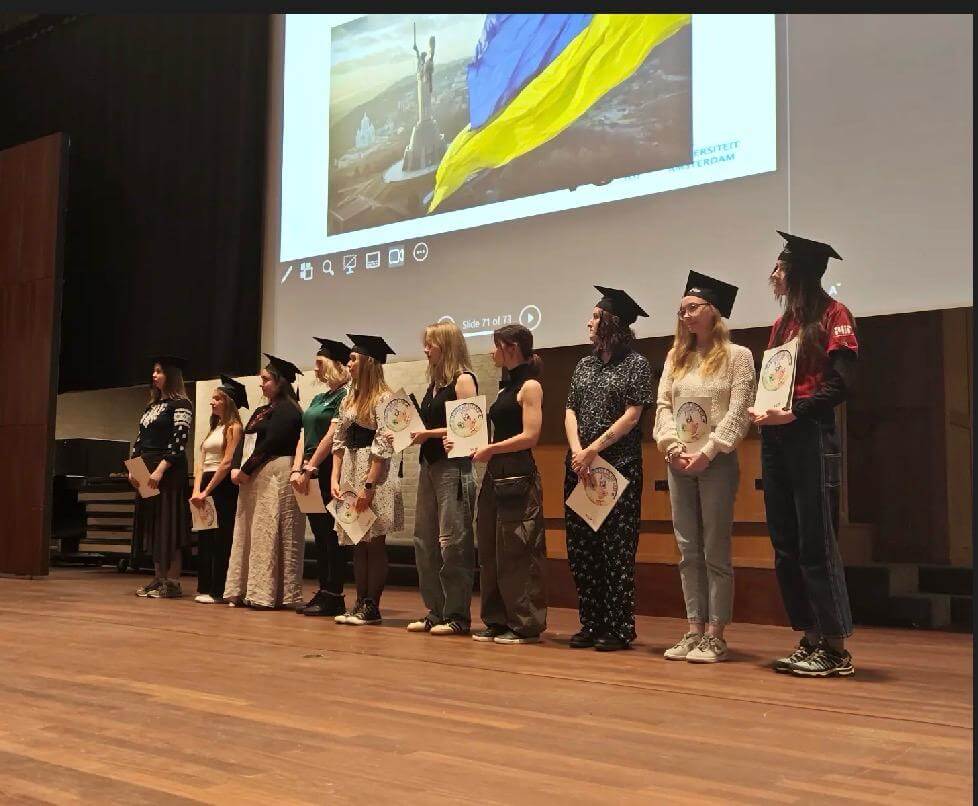
The ten students returned with new knowledge, practical experience, professional connections and ideas they want to put into practice.
For People for People, contributing to this programme is a small part of supporting that longer-term effort: giving students the space and opportunity to keep learning, so they can take that knowledge with them and use it in Ukraine.

